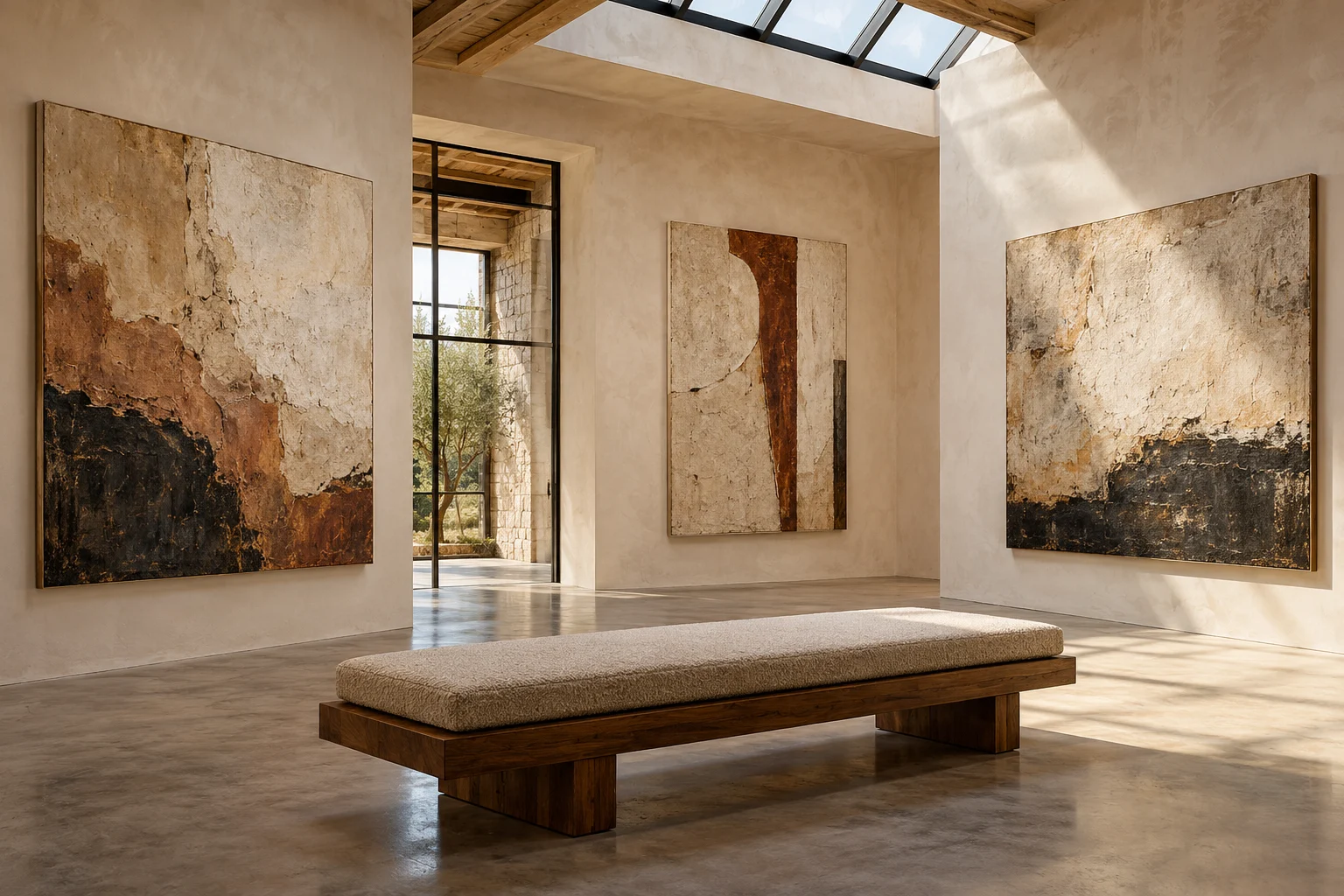
A striking canvas or a hand-thrown ceramic vessel often commands immediate attention. That first spark of interest is the natural starting point for any acquisition, but the decision to bring an object into your life involves a transition from a momentary impulse to a long-term relationship with a physical item.
Observing the Object
Before committing to a purchase, take time to look closely at the physical reality of the work. Observe the texture of the medium and how light interacts with its surface. Is the color palette vibrant and demanding, or does it offer a subtle, tonal presence? Consider how the scale of the piece relates to your physical movements around it. A massive sculpture might feel commanding in a high-ceilinged room, but it could feel intrusive in a smaller, more intimate nook.
Beyond the visual, the history of the object provides a different kind of depth. Ask the seller about the stated history of the piece and any documented origins they can provide. Understanding the context in which an item was created can change how you perceive its meaning. If the seller offers specific details regarding the artist or the era, note those observations as part of your decision-making process.
Balancing Dual Environments
For many North Texas residents, the challenge of decorating is complicated by maintaining two distinct living arrangements. If you split your time between a primary residence and a secondary home, a single piece of art must perform a complex balancing act.
For example, if you find a bold, geometric painting that perfectly complements the modern aesthetic of your city apartment, you must also consider how it will sit within the more traditional, relaxed atmosphere of a weekend house. A piece that feels at home in one setting might feel entirely out of place in the other, creating a visual friction that disrupts the comfort of both spaces.
This presents a meaningful tradeoff: do you select a piece that is highly specific to one environment, or do you opt for something more versatile that bridges the gap between different styles? A versatile piece might lack the intense character of a specialized work, but it offers the luxury of mobility without the need for constant reconfiguration.
Planning the Placement
Once you have moved past the initial attraction, visualize the intended space. Think about the daily routines that will occur around the object. Will it hang in a high-traffic hallway where it might be bumped, or will it sit in a quiet corner intended for contemplation?
Ask yourself how the piece will interact with the existing furniture and the natural light patterns of your rooms. If you are unsure about the logistics of moving a heavy or delicate item between properties, ask the gallery or seller how they recommend managing the transport and whether they suggest specific methods for securing the work during transit. Ultimately, the right choice is one that feels intentional in every room it inhabits.