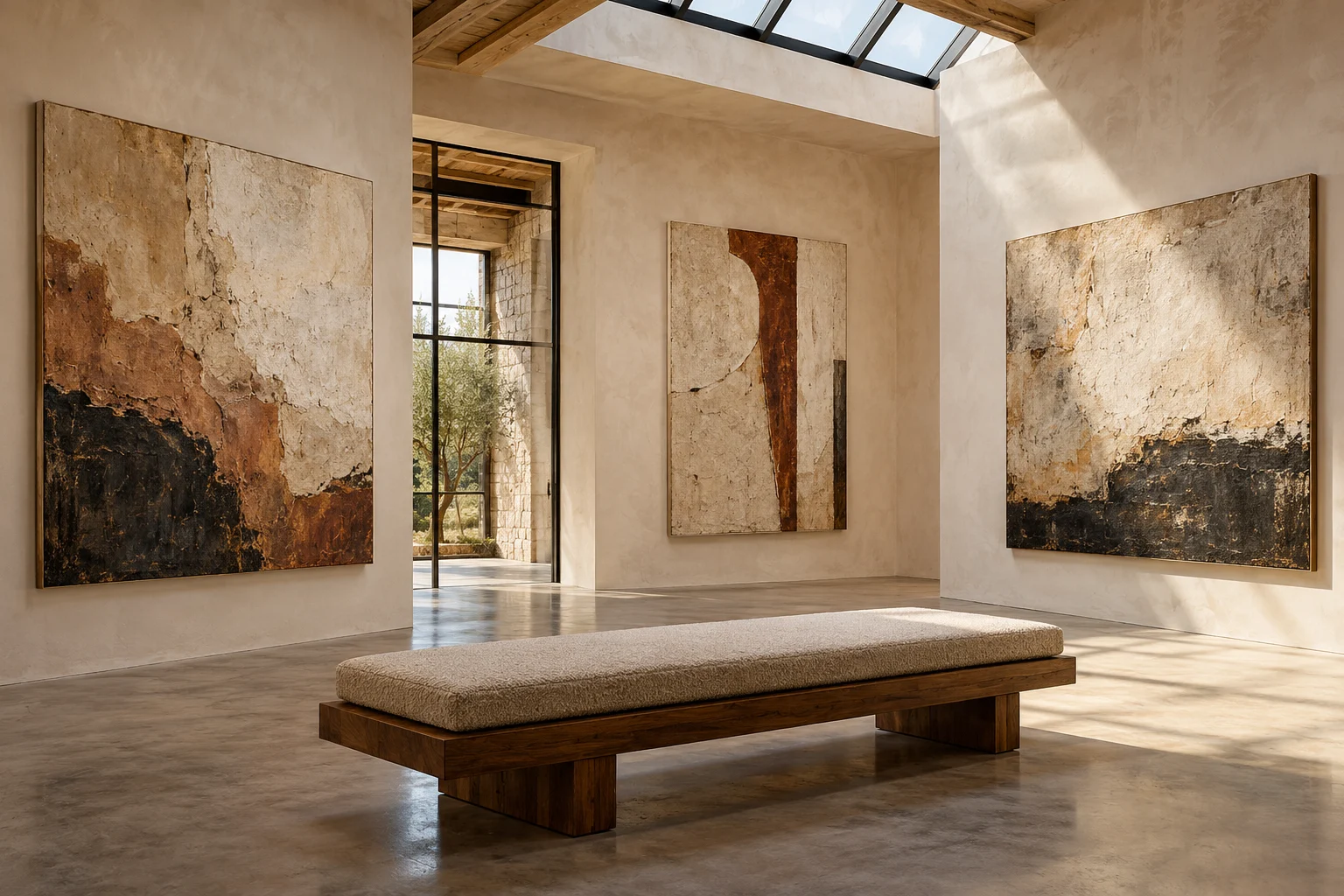
A handwritten recipe from a neighborhood market, a specific shade of blue found in a local potter's studio, or a recommendation for a quiet corner in a bustling downtown eatery—these are the small, cultural textures that make regional life rich. Yet, these discoveries often suffer from a slow erosion of detail. We remember that we liked something, but we forget the name of the maker, the exact location, or the specific reason it resonated with us.
The anatomy of a memory
To keep a discovery useful, it requires more than a mental note. A useful record includes the creator, the specific source of the information, and the work itself. If you stumble upon a unique textile pattern at a local craft fair, the entry should capture who wove it and where you heard about their studio. Without these anchors, the discovery becomes an unrecoverable ghost of an experience.
Beyond the logistics, adding a personal layer is what prevents a list of facts from becoming a dry inventory. Note why the find mattered to you in that specific moment. Was it the way the light hit the storefront, or perhaps the specific texture that reminded you of a childhood home? This context ensures that when you look back, you are reconnecting with a feeling rather than just a data point.
Navigating shared decisions
The challenge of a discovery often intensifies when it moves from a solitary joy to a shared decision. For example, if you find a specific local artisan whose work you want to incorporate into a shared living space, you may eventually need to justify that choice to a partner. A vague, "I saw this cool thing last month" rarely stands up to a discussion about household aesthetics or budget.
Imagine you are sitting in your living room, trying to decide on a new centerpiece. You remember a ceramic bowl that felt perfect, but you cannot recall if it was a one-of-a-kind piece or part of a larger collection, or even which weekend you saw it. This lack of detail can turn a moment of inspiration into a frustrating search. By recording the details immediately, you transform a fleeting thought into a tangible option that can be presented clearly during a conversation about your home.
The power of the revisit
A complete entry should conclude with a specific question designed for your future self. Instead of a generic note, ask something that requires a meaningful reflection. A question like, "Does this piece still reflect our current style, or was it a seasonal whim?" or "How would this look alongside the furniture we discussed last spring?" forces a deeper engagement when you eventually return to the note.
When you sit down to review your notes, do not simply check them off a list. Use them to bridge the gap between a past impulse and a present reality. By documenting the who, the where, and the why, you ensure that your regional explorations remain active participants in your life rather than fading echoes of a weekend outing.