The impulse to see every piece in a museum or gallery often dictates the rhythm of a cultural outing. We approach a new exhibition with a mental checklist, moving from one frame to the next in a steady, unrelenting march. While this thoroughness feels productive, it frequently leaves visitors feeling rushed rather than inspired, turning a moment of reflection into a series of rapid-fire observations.
The Weight of the Full Schedule
For many North Texas groups, the challenge lies in consensus. When a circle of friends or a family unit decides on an afternoon outing, the conversation often centers on maximizing the visit. There is a perceived pressure to ensure that no stone is left unturned and no wing of the building remains unvisited. This desire for completeness can create a subtle tension between the desire for social connection and the desire for individual contemplation.
For example, if a group of four arrives at a large institution with three concurrent exhibitions, the collective goal often becomes a marathon. The group may feel obligated to traverse every hall to justify the time and travel. In this scenario, the group might find themselves checking watches or glancing at phones, more focused on the progress through the building than the nuances of the work itself.
Trading Breadth for Depth
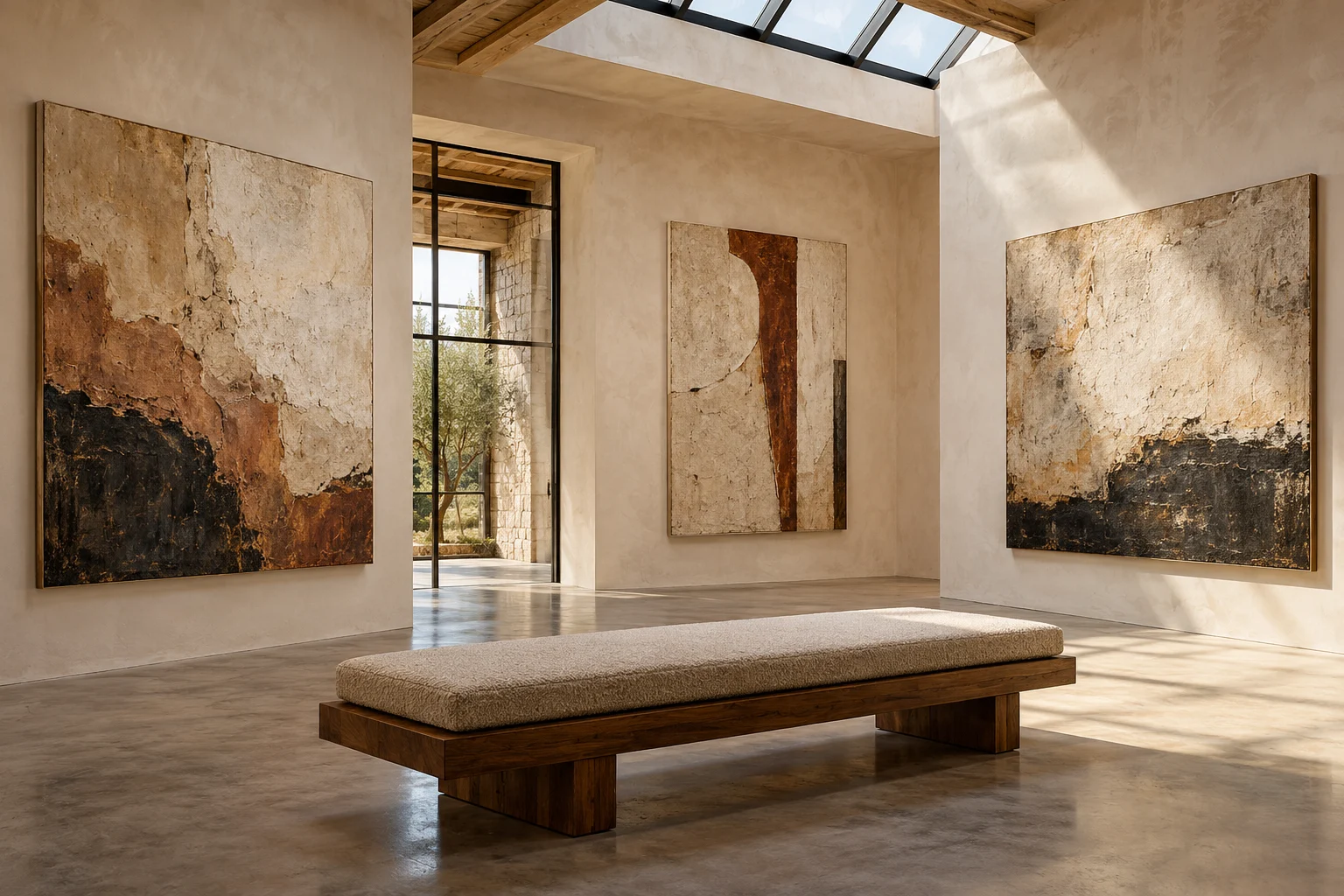
A meaningful alternative involves a deliberate tradeoff: sacrificing the breadth of the entire collection for the depth of a single exhibition. Choosing one specific show allows for a slower pace. Instead of scanning a room, you might find the time to sit on a bench and observe how light hits a particular sculpture, or how a specific series of paintings interacts with the space around them.
This approach changes the social dynamic of the outing. Rather than a shared race against the clock, the visit becomes a shared experience of quiet observation. You might find that discussing one singular, striking piece provides more substance for a post-visit lunch than a dozen hurried comments about various works seen in passing. The goal shifts from "what did we see?" to "what did we notice?"
Structuring the Afternoon
To make this intentional choice, consider the preferences of the group before arriving. Ask your companions if they prefer a structured walkthrough or if they would rather wander freely. If the group is large, you might suggest that everyone selects one specific piece to focus on, allowing for individual moments of solitude within the shared outing.
Deciding what to leave optional is often the most important part of the planning process. By agreeing that certain galleries are merely "passable" rather than "mandatory," you grant yourselves the permission to linger. When the pressure to finish the checklist is removed, the exhibition can finally breathe, and so can the visitors.