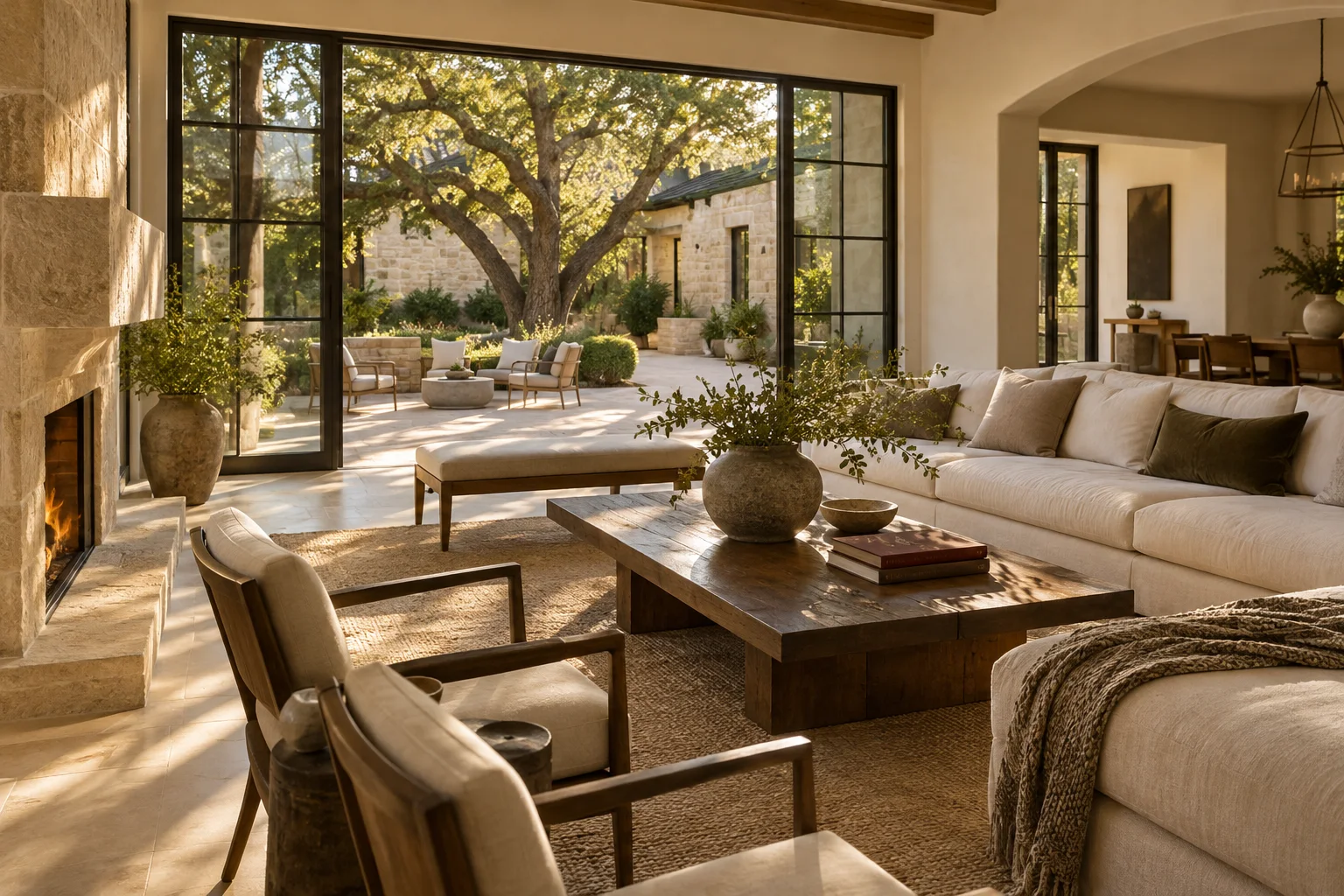
That piece of furniture has occupied the same corner of the dining room for three years, acting less like a functional sideboard and more like a silent monument to a postponed decision. Perhaps it was a heavy oak buffet inherited from a relative or a mid-century credenza discovered at a local estate sale, sitting under a layer of dust while you debated whether its character was worth the effort of restoration.
Defining the Visual Goal
Returning to a project after a long hiatus requires more than just clearing away the cobwebs; it requires a clear vision of what you actually want to see when the work is finished. There is a meaningful tradeoff between preserving the history of an object and making it look brand new. You might find yourself torn between the deep, irregular patina that tells a story of age and a uniform, sleek finish that fits a modern aesthetic.
For example, if you have a wooden cabinet with significant surface scratches and fading, you must decide if those marks are part of its soul or simply damage to be erased. Choosing to keep the original finish might mean retaining some imperfections, while a complete refinishing could strip away the very character that drew you to the piece in the first place.
Documenting the Present State
Before inviting a professional into your home, take the time to observe the object closely. Use your phone to take clear, well-lit photographs of the piece from several angles. Look for specific areas of concern: Is there peeling veneer? Are there deep gouges in the wood? Do the hinges still swing smoothly, or is the hardware loose?
Documenting these details helps you move past vague descriptions like "it looks old" and toward specific observations. Note where the light hits the surface to see how much texture remains. This documentation serves as your baseline, ensuring that you and a specialist are looking at the same set of challenges.
Preparing for the Consultation
When you are ready to move from observation to action, the conversation with a repair professional should be driven by your specific needs and constraints. Rather than asking if a piece can be "fixed," focus on the boundaries of the craft. Ask the professional what can be achieved given the current condition of the materials. Inquire about the different ways they might approach the surface to reach your desired look.
Ask what specific parts of the original structure might be at risk during the process and how they plan to address those vulnerabilities. You might also ask how the intended use of the piece—such as holding heavy ceramics or being used in a high-traffic area—might influence their technical recommendations. By focusing on feasibility and your specific aesthetic goals, you can turn a long-deferred task into a finished centerpiece.