The most successful dinner parties often feature a host who is actually sitting at the table. When the person providing the space is also tethered to the stove or a stack of prep bowls, the communal energy of the meal shifts. To move from being the sole provider to a fellow diner, the strategy lies in how you structure the menu and the handoff of responsibilities to your guests. A host who eats is a host who can truly participate in the evening.
The Art of the Limited Menu
A common pitfall is the desire to showcase a wide array of dishes, which inadvertently creates a heavy workload. Instead, consider a menu where the host provides a central anchor—perhaps a large roast or a seasonal grain dish—while the complexity of the side items is distributed. By limiting your own culinary footprint to one or two primary elements, you reduce the number of simultaneous timers you must manage. This intentional restraint ensures that the centerpiece receives the attention it deserves without requiring you to juggle five different pans at once.
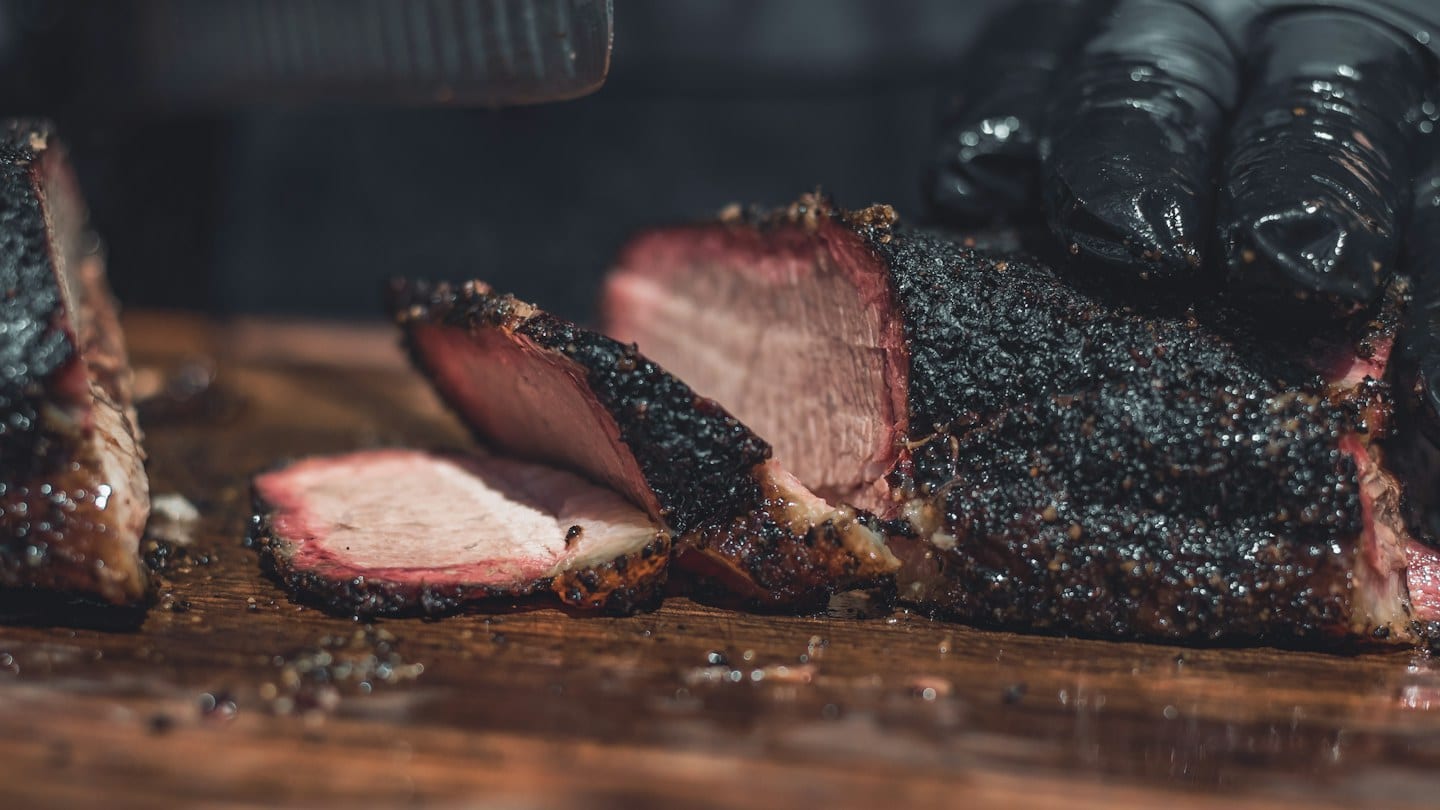
For example, if you choose to prepare a slow-cooked protein, you have already cleared much of the active labor from the evening. This allows you to focus on the atmosphere rather than the oven door. The tradeoff is a slightly less varied spread than a solo chef might produce, but the gain is a host who can engage in the conversation flowing around the table. You are choosing depth of connection over the breadth of the buffet.
Coordinating Contributions
Delegating food is not merely about asking guests to "bring something." To ensure the meal feels cohesive rather than a collection of random snacks, establish a clear framework for contributions. You might suggest that one guest handles the appetizers, another brings a specific type of salad, and a third manages the dessert. This prevents the common scenario where three people arrive with different varieties of bread or chips, leaving the table feeling disjointed.
When discussing these roles, ask your guests what they feel most comfortable preparing. Some may prefer to pick up something high-quality from a local market, while others may find joy in bringing a homemade dish. This approach respects their preferences while ensuring your table is balanced. By providing a loose structure, you remove the guesswork for your guests and the stress of over-preparation for yourself.
The Handoff to Service
The most critical moment for a host who wants to eat is the transition from preparation to service. If you are the one who has spent the afternoon chopping and sautéing, you need a clear handoff to another adult to manage the logistics of the meal itself. This person becomes the temporary conductor of the dining room, ensuring that water glasses stay full and plates move smoothly from the kitchen to the table.
Imagine you have prepared a beautiful spread, but as the guests arrive, you find yourself stuck in the kitchen refilling water glasses and carving meat while the conversation happens elsewhere. To avoid this, designate a co-host or a trusted friend to manage the serving flow. Ask this person if they would be willing to handle the plating or the pouring of drinks once the meal begins. By assigning the role of "service lead" to someone else, you create a boundary that allows you to step away from the kitchen and into your seat. Once the roles are defined, you can stop being the provider and start being a guest in your own home.