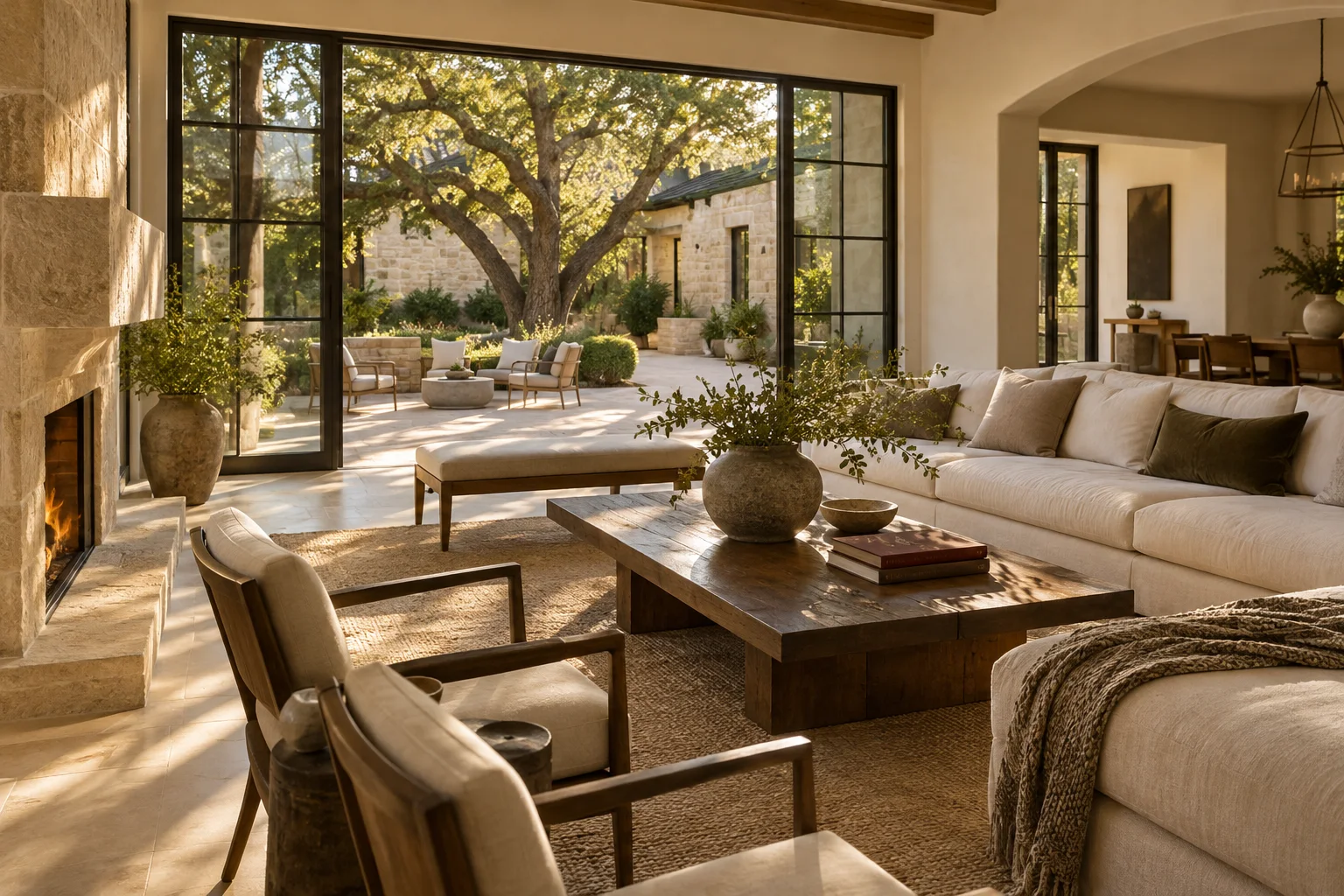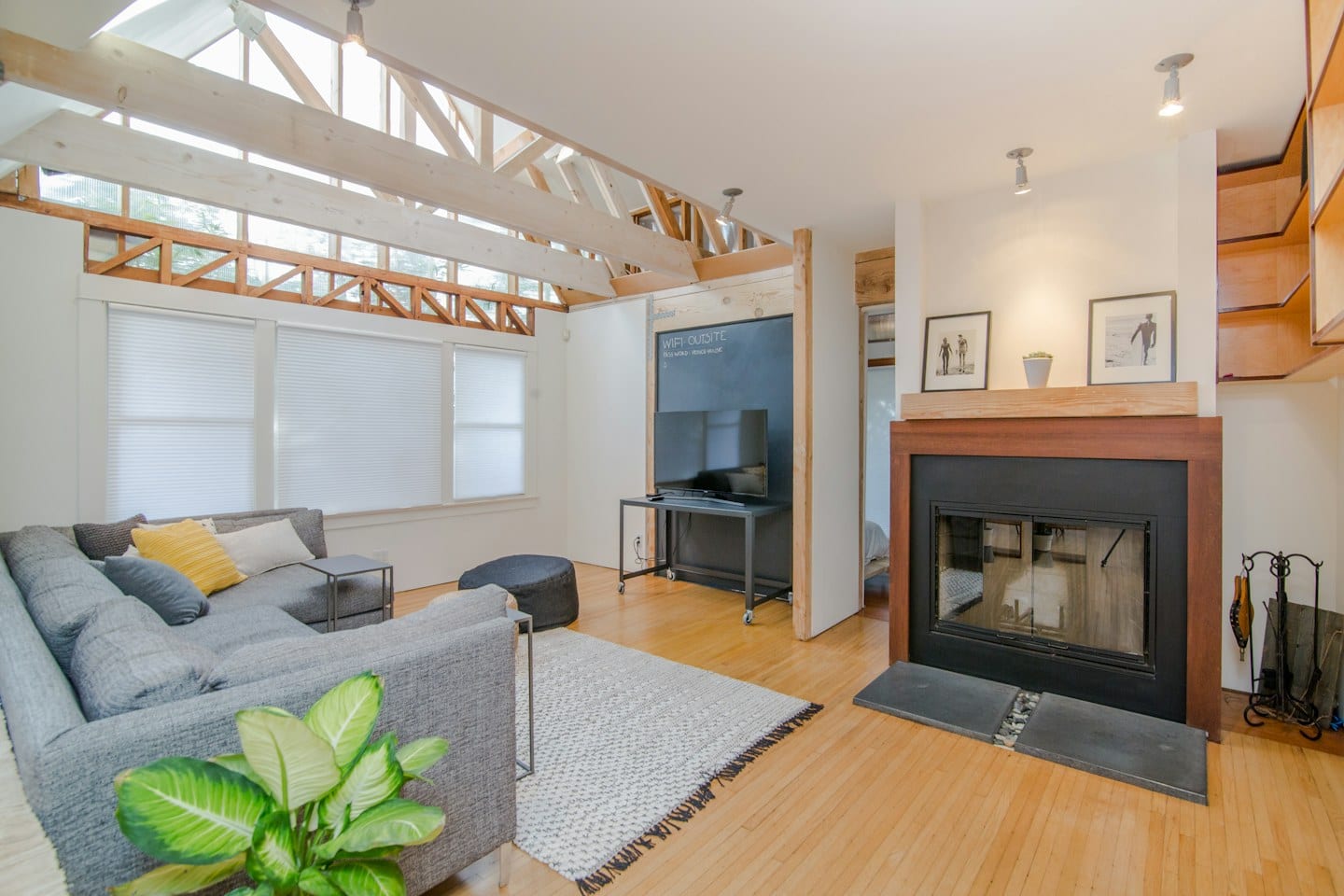
A single armchair positioned near a window can feel like a sanctuary or a source of frustration, depending entirely on the rhythm of your household. We often choose a spot based on how it looks in a photograph, yet the true value of a personal corner is measured by how it handles the interruptions of a North Texas afternoon or the shifting light of a seasonal evening.
The Rhythm of the Room
To find a space that works, you must first observe the existing patterns of your home. A corner that seems peaceful at ten in the morning might become a high-traffic thoroughfare when the rest of the family returns from school or work. Pay attention to the sounds that drift through the house and the way sunlight moves across the floor. Does the glare on a screen make reading difficult? Does the proximity to the kitchen make it hard to focus on a book?
For example, if you select a nook in the living room because of its aesthetic charm, you might find that the television volume or the movement of guests makes it impossible to sustain a long period of stillness. You are faced with a tradeoff: the convenience of a central location versus the depth of quiet required for your specific activity.
The Movable Setup
Before committing to heavy furniture or permanent changes, consider the utility of a movable arrangement. A lightweight side table, a floor lamp that can be repositioned, and a chair that does not require a fixed footprint allow you to test different zones. This trial period helps you determine if a corner is truly a retreat or merely a temporary landing pad for clutter.
Testing a setup with different items—perhaps a small tray for tea or a specific reading light—reveals whether the physical requirements of your hobby match the physical reality of the space. You might discover that a corner near a hallway is too distracting, or conversely, that a corner in a bedroom offers the stillness you need but lacks the necessary light.
Communicating the Choice
Selecting a dedicated space often involves a negotiation with a partner. When one person claims a corner for quietude, it can feel like a withdrawal from the shared social areas of the home. Rather than presenting a finished decision, present your observations. Explain that you have noticed the afternoon light makes the sunroom ideal for reading, or that the guest room corner offers the most consistent quiet during your evening routine.
If you find that your preferred spot interferes with a partner's use of the room, ask how the shared space might be adjusted to accommodate both needs. If you are considering larger changes to the layout, ask a professional how the proposed furniture arrangement might affect the flow of the room. By focusing on the specific ways the space supports your routines, you turn a solitary decision into a thoughtful contribution to the home's harmony.