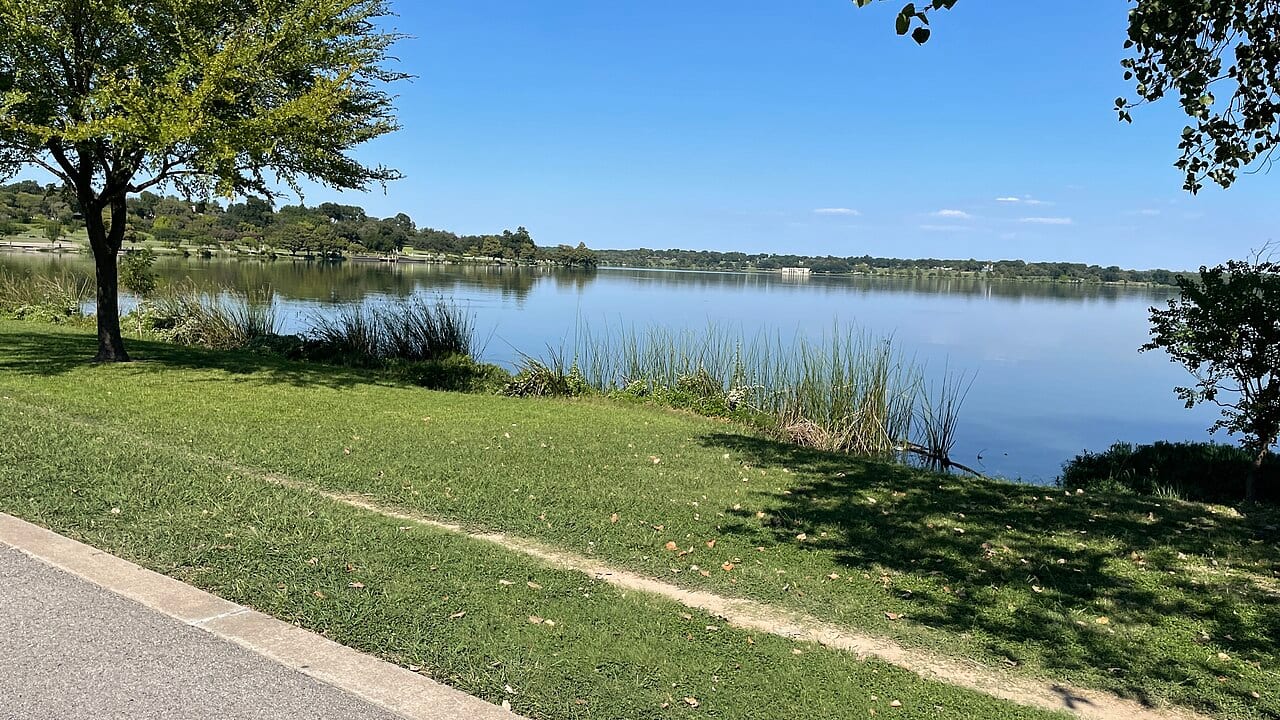
A single, well-chosen priority can anchor a weekend without dictating every minute of it. Whether the goal is to explore a new trail, visit a specific market, or simply rest, having one central objective provides a sense of purpose. However, the tension in weekend planning often arises when two people approach time with different expectations regarding energy and access. Finding a balance requires moving away from a checklist of tasks and toward a more fluid understanding of how time is actually spent.
The Tradeoff of Structure and Spontaneity
One partner might crave a structured itinerary that maximizes every hour, while the other might prefer a loose collection of possibilities. This creates a fundamental tradeoff: a rigid schedule ensures you see everything you intended, but it can also lead to exhaustion or frustration if a single delay ripples through the entire day. Conversely, a completely open schedule offers freedom but can result in a weekend that feels aimless or unproductive. The challenge lies in choosing how much certainty you require to feel satisfied.
For example, if you decide that your primary goal is to visit a regional park, you might face a choice between booking a specific guided activity at noon or simply driving toward the area with no set arrival time. The former guarantees an experience but requires a commitment to a clock; the latter allows you to linger over breakfast or nap longer, but you might miss the activity entirely. Deciding which of these risks you are more willing to accept is the first step in a successful negotiation.
Navigating Differing Energy Levels
Conversations about weekend plans often stall when one person is looking for an active outing and the other is seeking quietude. Instead of debating specific locations, try focusing on the desired intensity of the experience. If you are trying to explain your preference for a slower pace to a partner, describe how you want to feel by Sunday evening rather than listing the things you do not want to do. This shifts the dialogue from a rejection of their ideas to a statement of your own needs.
Ask your partner how they envision their energy levels shifting throughout the day. Do they see the afternoon as a time for more movement, or a time to settle into a single spot? Identifying these rhythms early can help you select a destination that offers both high-energy options and quiet corners. A location with a bustling central hub and several secluded walking paths, for instance, allows both preferences to exist in the same geographic space without requiring one person to compromise their fundamental comfort.
Building Optionality Into the Plan
The most resilient plans are those that treat secondary ideas as optional rather than mandatory. Rather than scheduling "Activity A at 10:00 AM" and "Activity B at 2:00 PM," try identifying a primary destination and a few nearby alternatives. This approach acknowledges that weather, mood, or simple fatigue might change the direction of the day. It transforms a list of chores into a menu of possibilities.
When presenting a plan to a partner, frame the secondary options as "if we feel up to it" rather than "next on the list." This reduces the pressure to perform or complete a sequence. To finalize your weekend, settle on your one shared priority and identify two distinct ways to spend your energy once that goal is met. By prioritizing one meaningful intention and leaving the rest to chance, you ensure the weekend remains a period of recovery rather than another set of obligations to manage.


