This is a paid partner contribution. Commercial relationships are disclosed so readers can distinguish sponsored content from editorial guides.
A new sign is more than a physical object; it is a point of contact for every person who walks past your door or enters your workspace. Whether you are updating a storefront or refreshing an interior directory, the process involves a variety of stakeholders, from the person who holds the budget to the person who manages the daily operations of the building. Success depends on how well these different perspectives are coordinated before the first mockup is even drawn.
Gathering the necessary details
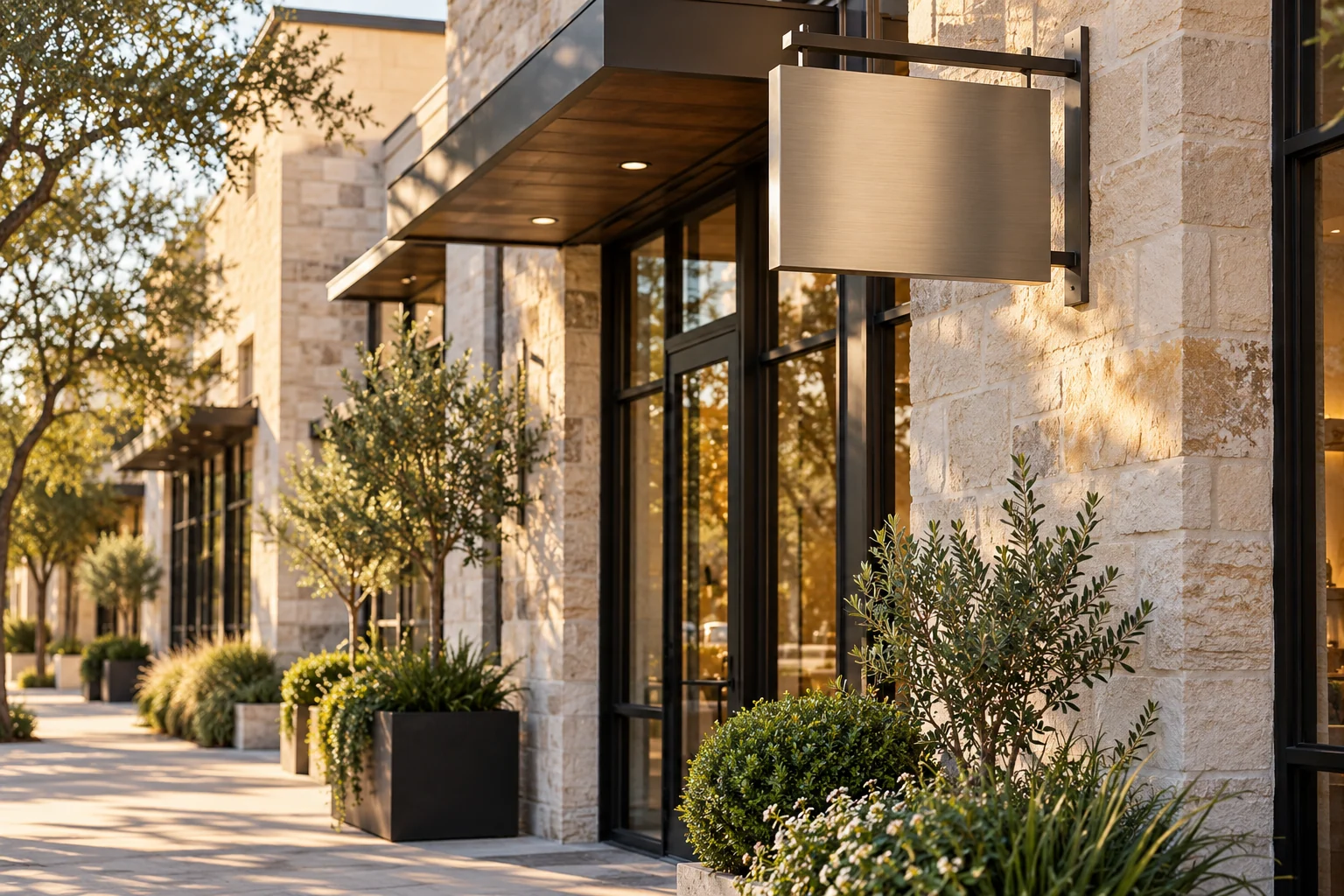
Before reaching out to a sign company dallas, take a moment to look at your physical environment. A sign that looks striking in a digital file might struggle against the glare of a midday sun or disappear against a textured brick wall. Consider the specific lighting conditions of your location and the distance from which your audience will view the message.
Documenting these observations early helps prevent mid-project adjustments. You might want to photograph the installation site from several angles and note the approximate measurements of the intended mounting surface. Having these details ready allows for a more focused conversation about what can actually be achieved in your specific space.
Balancing aesthetics and utility
Every design choice involves a choice between two different goals. For example, if you are deciding on the material for an outdoor monument, you may find a tension between a high-gloss finish that catches the eye and a matte surface that remains legible under bright Texas sunlight.
Imagine you are designing signage for a multi-tenant office building. One group of tenants might want large, brightly colored logos to maximize brand visibility, while the building owner might prefer a uniform, understated look to maintain a cohesive professional appearance. This is a classic tradeoff: individual brand impact versus collective visual harmony. To navigate this, prepare a list of the priorities for each party involved. Ask the provider how their recommendations address these competing needs for visibility and consistency.
Aligning your team
Communication gaps often occur when the person ordering the sign is not the person who will live with it every day. If you are coordinating a project for a retail shop, the manager on the floor might have different ideas about sign placement than the marketing director at a central office.
To keep everyone on the same page, create a central file of your requirements, including color preferences, preferred mounting methods, and any specific text requirements. When you begin your consultation, ask the following questions to ensure clarity:
- What specific information do you need from my facility team to ensure a proper installation?
- How will the proposed materials hold up in our local climate?
- Can you provide a clear timeline that accounts for both production and the coordination of the installation?
Reviewing FASTSIGNS Fair Park reviews can offer insights into how others have managed their own coordination processes. By preparing your site data, defining your tradeoffs, and asking targeted questions about the installation logistics, you can move from a concept to a finished product with fewer surprises.


