The decision to dress your windows often sits on a mental to-do list for months, pushed aside by more immediate household concerns. You might have intended to address them when the seasons shifted or when you first moved in, but life moves forward, leaving those glass panes exposed to the North Texas sun and the wandering eyes of neighbors. Returning to this task requires more than just picking a color; it requires a thoughtful assessment of how your rooms actually function throughout the day.
Observing the Light and the View
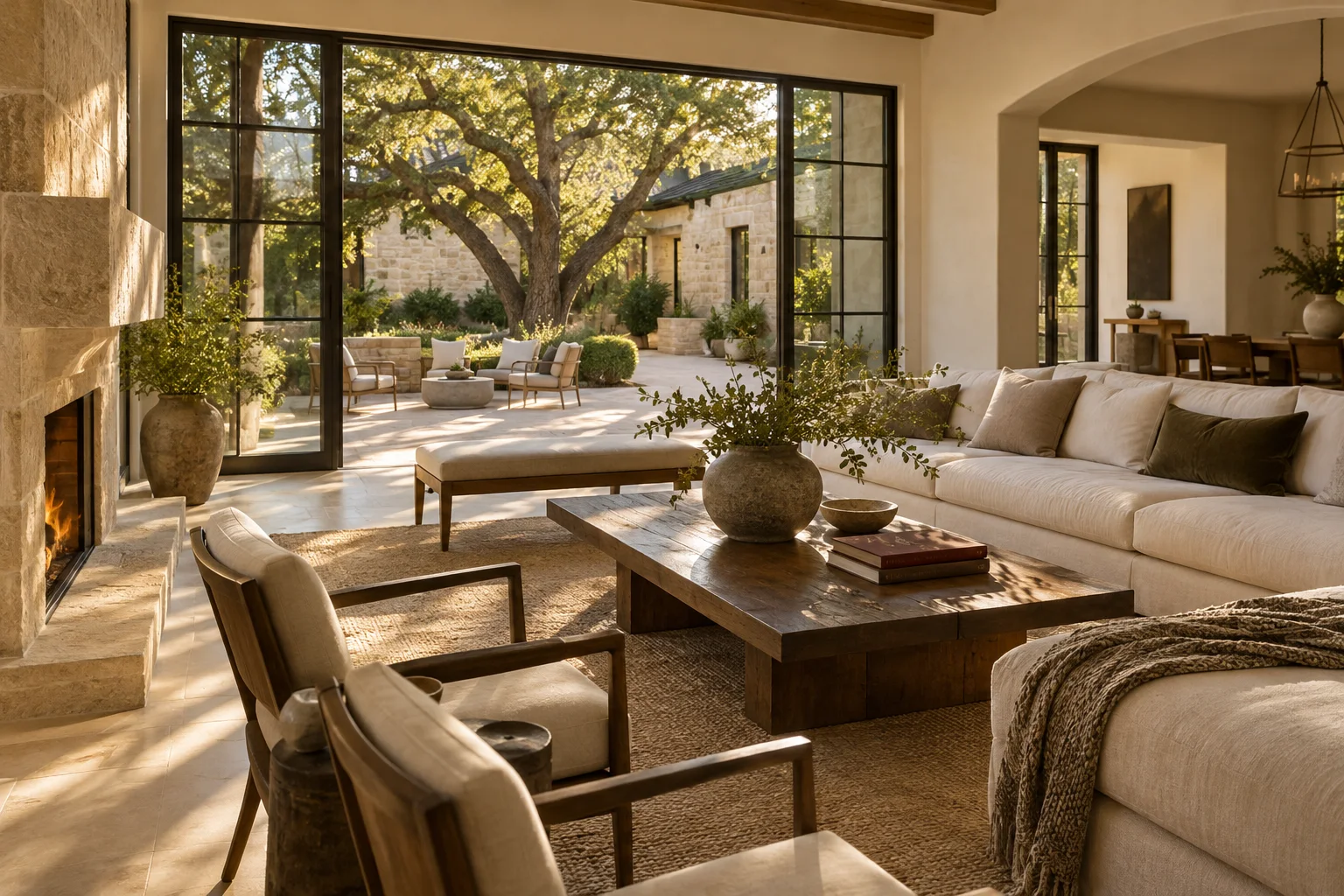
Before looking at catalogs, spend a day observing how light moves through your living spaces. A room that feels bright and airy at noon might become uncomfortably bright by mid-afternoon, or perhaps a specific corner becomes a glare-filled zone that makes reading difficult. Consider the tradeoff between visibility and seclusion. You may want to see the garden during a morning coffee, but you might also want to ensure that passersby cannot see into your dining area during a late dinner.
For example, if you have a large window facing a busy street, you might prioritize a solution that blocks the view from the outside while still allowing a soft, diffused glow to enter the room. Conversely, in a bedroom, the priority might shift entirely toward creating a dark, restful environment. Identifying these specific needs for each room prevents the mistake of applying a single, uniform solution to every window in the house.
Defining Your Aesthetic Goals
Window treatments act as the visual punctuation marks of a room. They can make a ceiling feel higher, a room feel more intimate, or a space feel more structured. Think about the textures already present in your home. Do you prefer the clean, sharp lines of modern design, or are you drawn to the softer, more layered look of traditional fabrics? The way a treatment hangs and moves can change the entire character of a room, shifting it from a formal setting to a casual retreat.
Consulting with a Specialist
Once you have gathered your observations about light, privacy, and style, it is time to speak with a professional. Rather than focusing on technical jargon, focus on the lived experience of your home. Ask the supplier how their recommendations will handle the specific light patterns you observed in your afternoon sun. Inquire about how different materials might affect the temperature or the brightness of a room during the hottest months of the year.
You should also ask how the installation process will work and what they require from you to ensure a proper fit. If you are concerned about the longevity of the look, ask how the materials will hold up against the constant exposure to sunlight. By centering your conversation on your specific daily routines and visual preferences, you can move from a postponed decision to a finished room that feels intentional and complete.