This is a paid partner contribution. Commercial relationships are disclosed so readers can distinguish sponsored content from editorial guides.
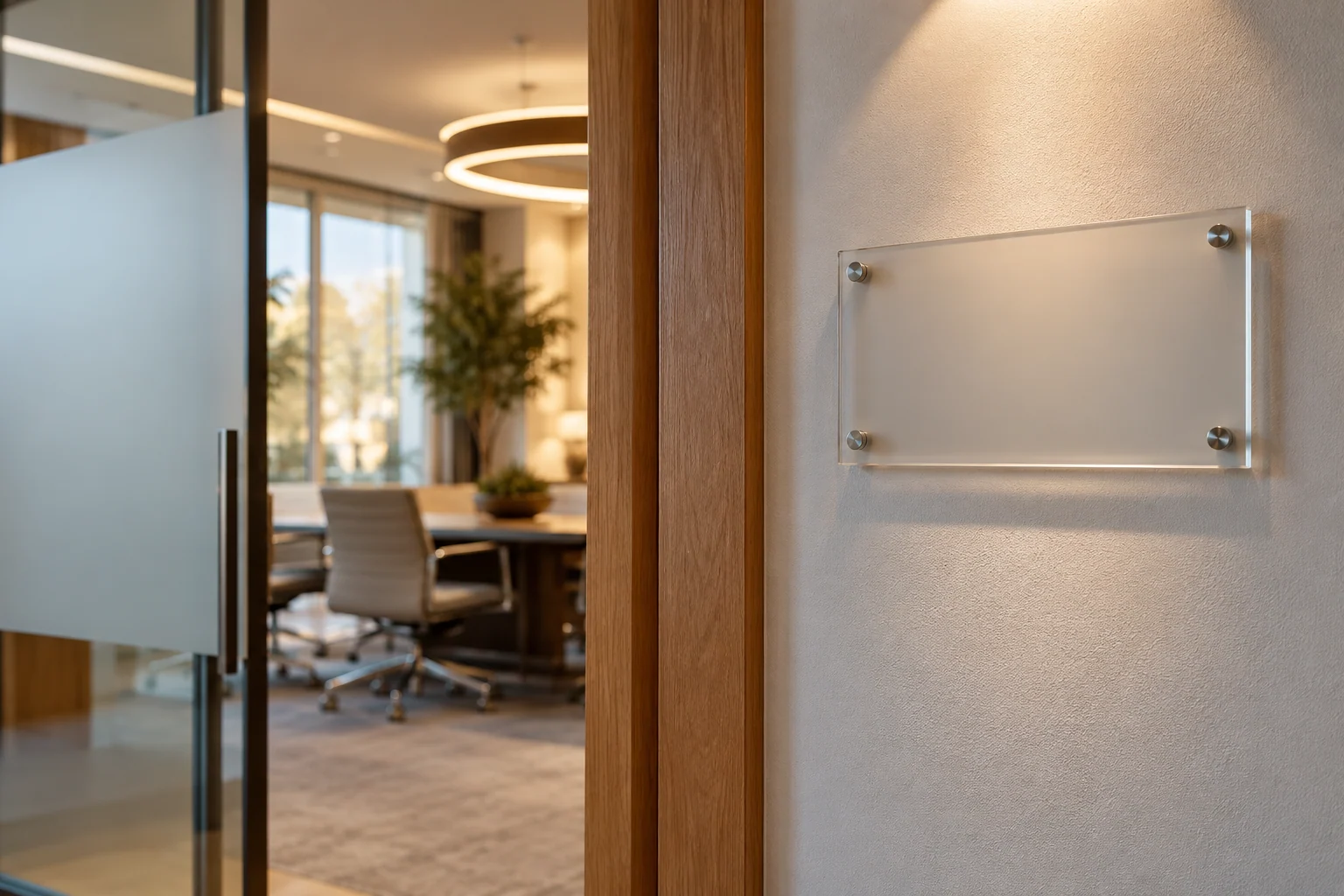
A blank space on a storefront or a bare wall in a lobby often signals a new chapter for a business. Whether you are refreshing an existing brand or launching a brand-new concept, the transition from an idea to a physical display requires a clear starting point. Instead of walking into a consultation with vague intentions, arriving with a structured set of observations can help you navigate the choices ahead.
Defining the Visual Purpose
The first step in any visual project is identifying exactly what you want the viewer to do. A sign might exist to guide someone to a specific door, to announce a seasonal sale, or to establish a permanent presence on a busy street. These different goals require different materials and scales. For example, a lightweight option might suit a temporary event, while a more substantial installation might be intended for long-term visibility.
Consider the environment where the sign will live. Is it tucked into a shaded alcove, or will it face the direct Texas sun? Is it meant to be read by pedestrians walking slowly or by drivers passing at high speeds? For instance, if you are looking for custom signs Dallas TX, you might weigh the benefit of high-contrast colors against the aesthetic of a more subtle, textured finish. This choice involves a tradeoff between immediate attention-grabbing power and long-term brand elegance.
Preparing Your Specifications
Before you meet with a provider, gather the physical details of your space. Measurements are essential, but so is the context surrounding the installation site. Note the presence of existing electrical outlets, the texture of the mounting surface, and any obstructions like trees or light poles that might block the line of sight. Having these details written down prevents mid-project adjustments that can complicate the timeline.
If your project involves moving images or changing messages, you will need to think about how that information is managed. Ask a professional about digital sign packages that include content creation to see how they might fit your workflow. You may want to ask how often you can update the visuals and what tools you would use to do so.
Questions for the Consultation
A productive first conversation is built on specific inquiries rather than generalities. Rather than asking if a project is possible, ask how a specific material or mounting method addresses the unique environment of your location. If you have a specific budget, ask how different material choices might allow you to stay within those bounds without sacrificing the core intent of the design.
You might also ask about the installation process itself. Who would perform the work, and what does that arrangement include regarding the site preparation? Confirming these details early ensures that your expectations for the final appearance align with the practical realities of the installation. By organizing your measurements, goals, and questions beforehand, you turn a complex decision into a manageable series of steps.